Lufengosaurus
loo-FUNG-oh-SORE-us
"Lufeng lizard"
- Lived
- 201 to 193 million years ago, Early Jurassic
- Length
- about 6 m (20 ft)
- Group
- Early sauropodomorphs, Massospondylidae
- Found in
- China
- Named by
- Young 1940
Size comparison
To scale

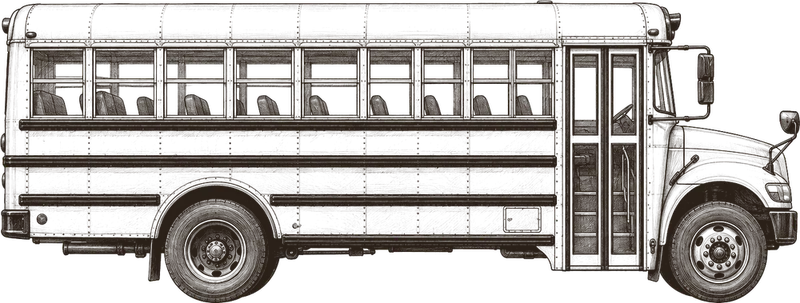
Scale in metersOutline: typical early sauropodomorph shape
Where its fossils were found
The evidence
Today

195 million years ago
Habitat
A low plain crossed by rivers, with shallow lakes. Its neighbors included Yunnanosaurus, Sinosaurus and Xingxiulong.
Field notes
About Lufengosaurus
What it was like
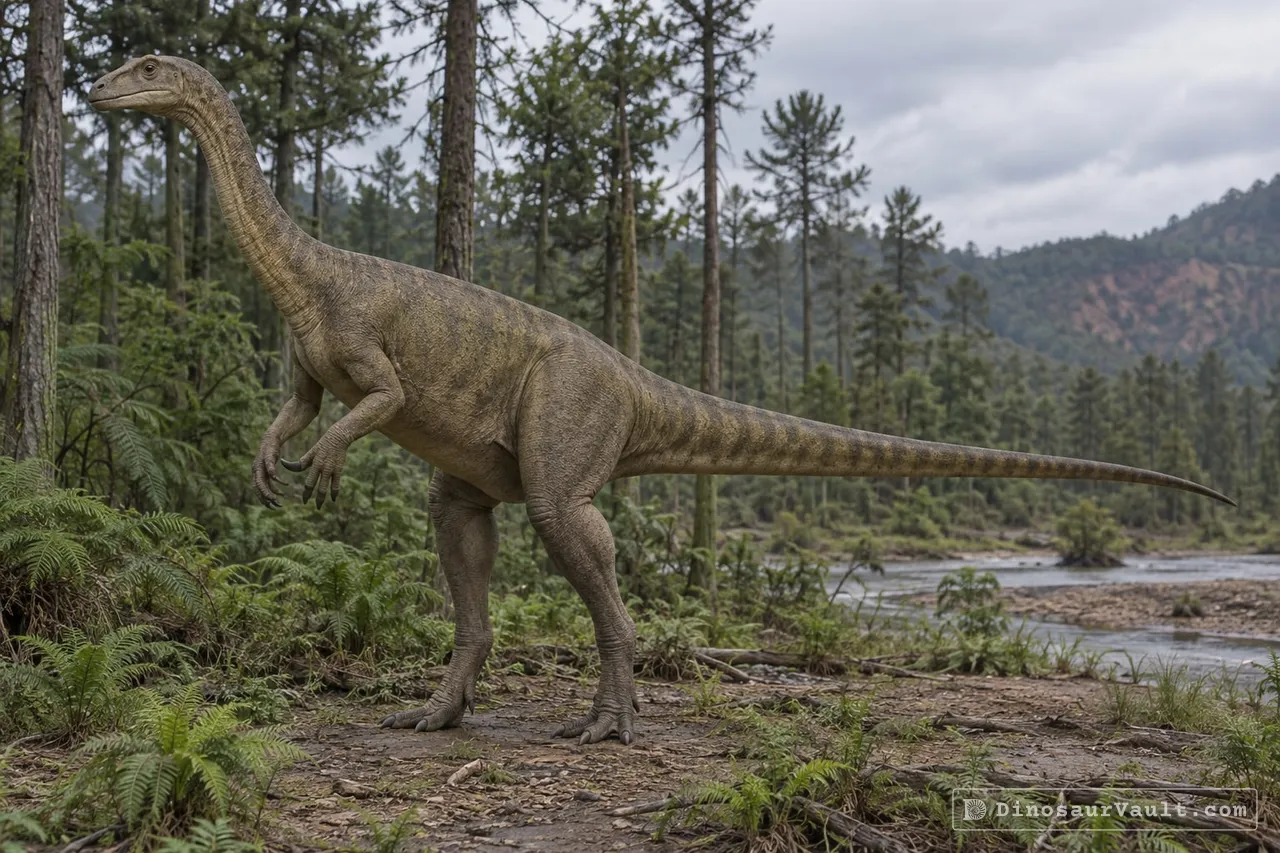
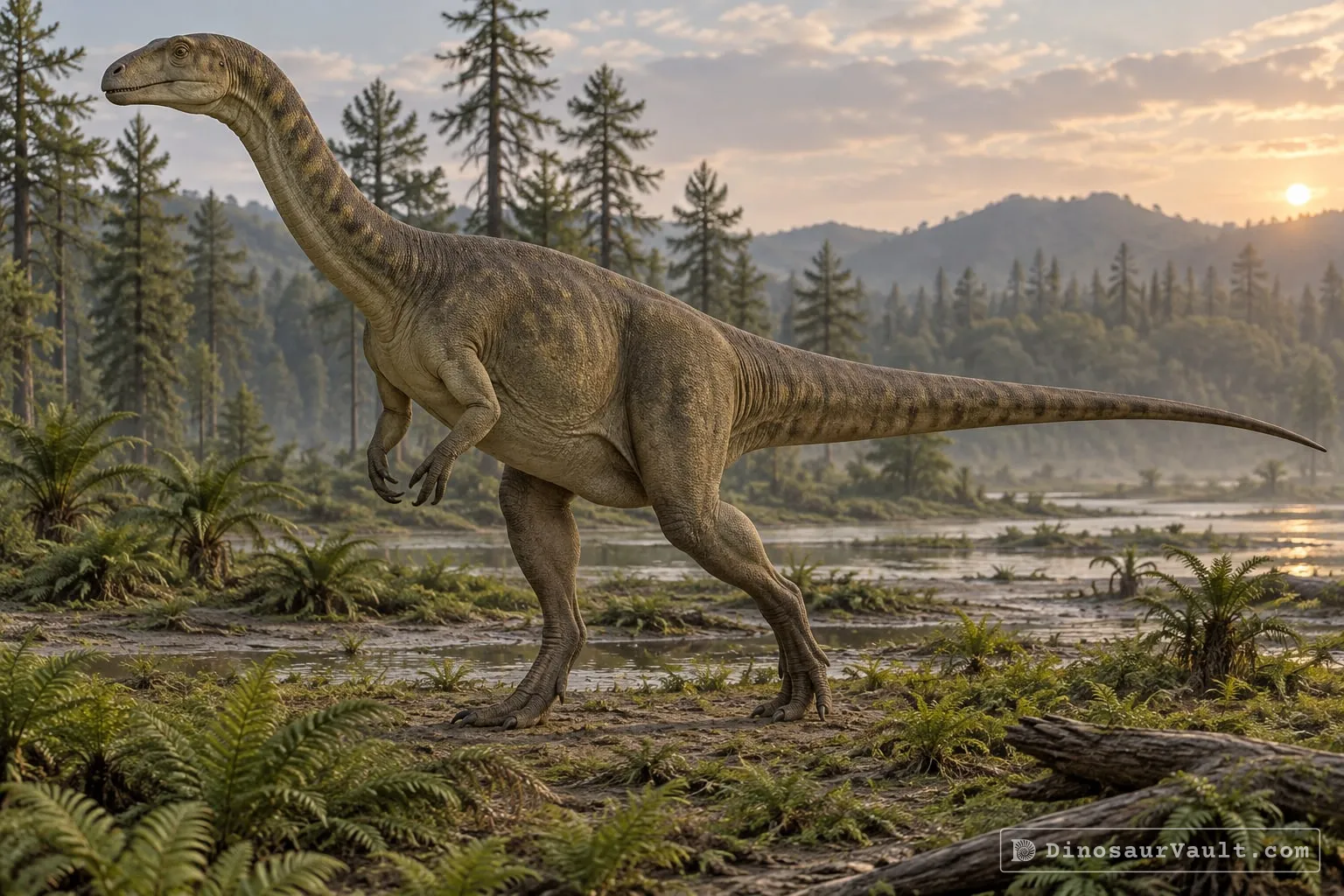
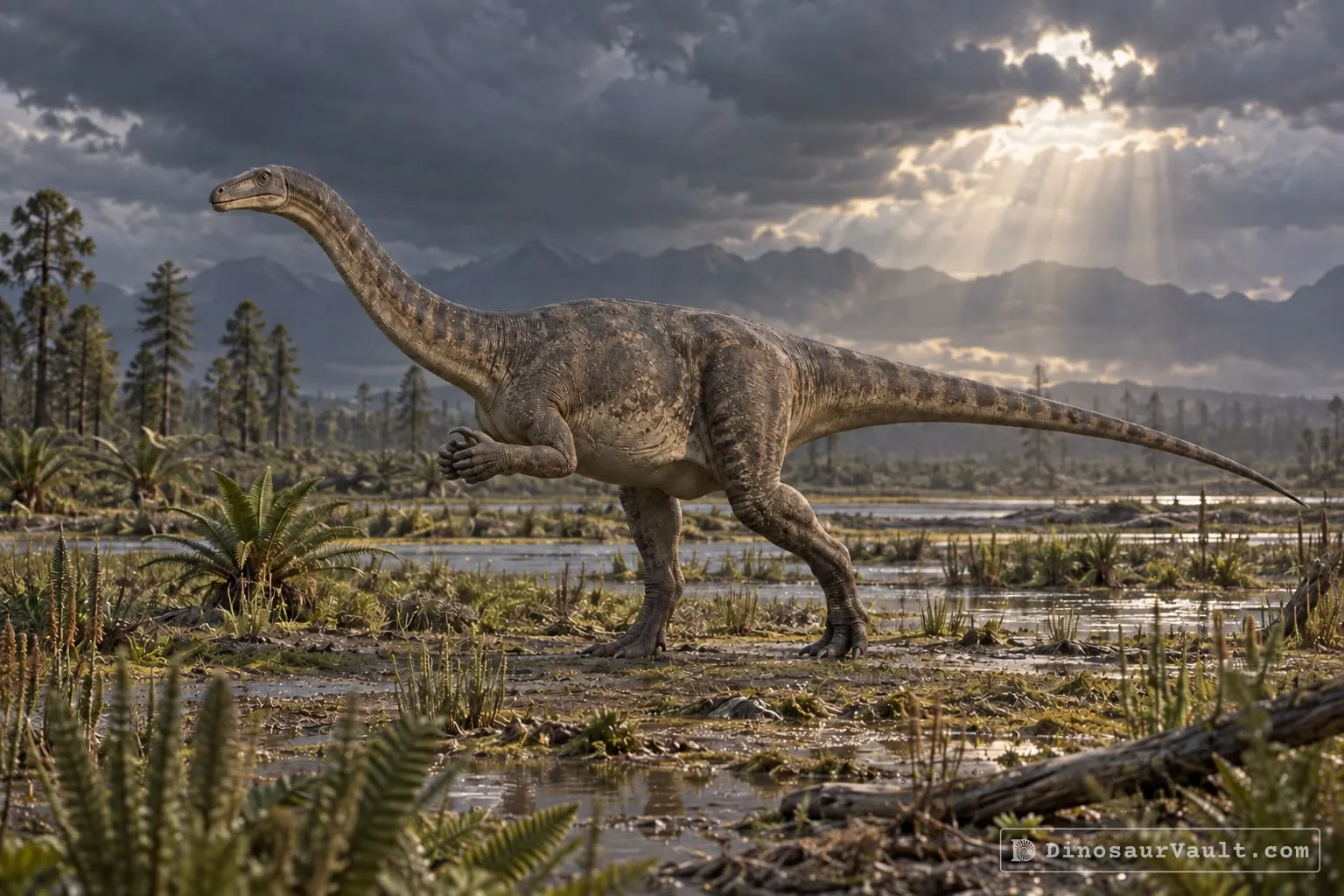
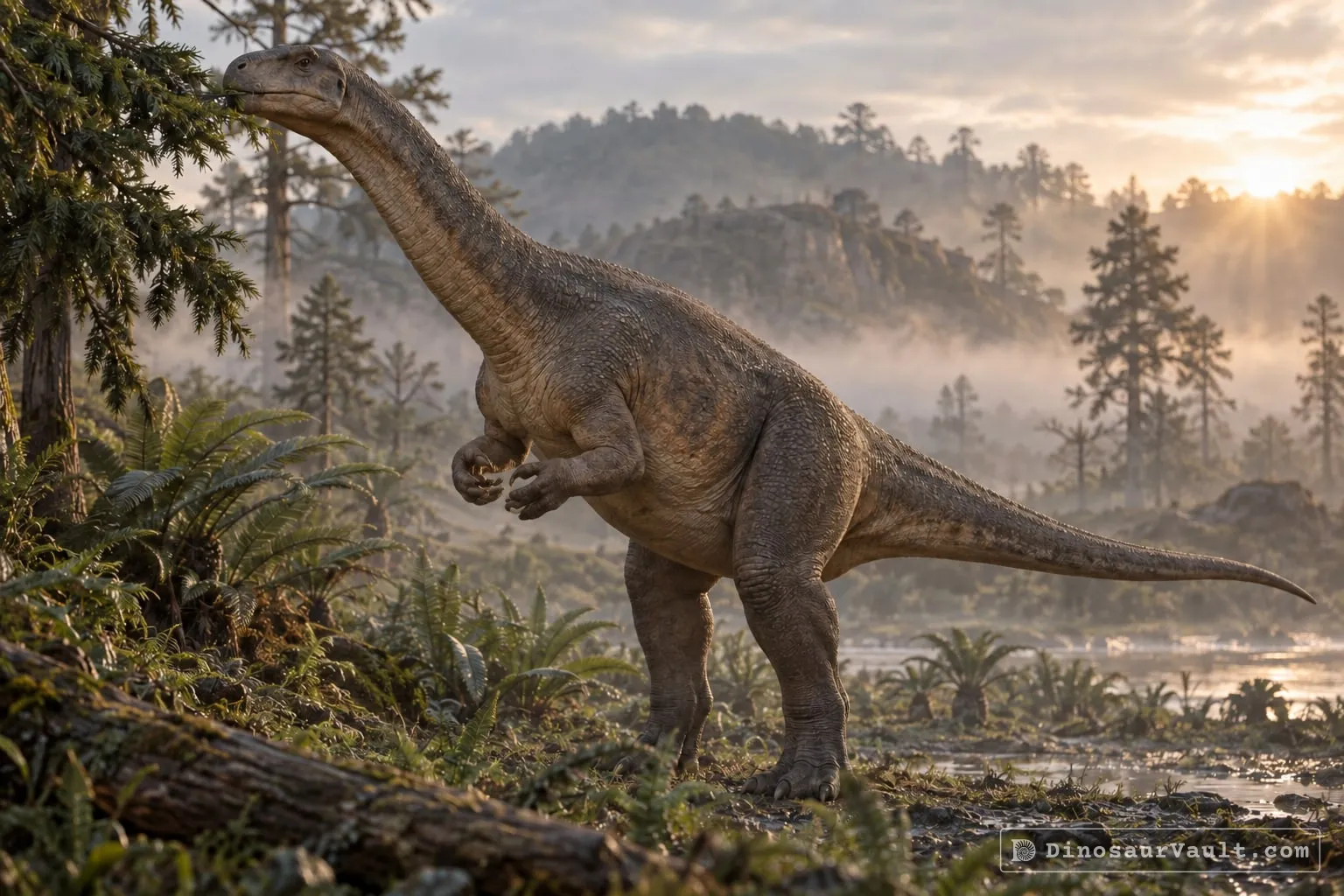
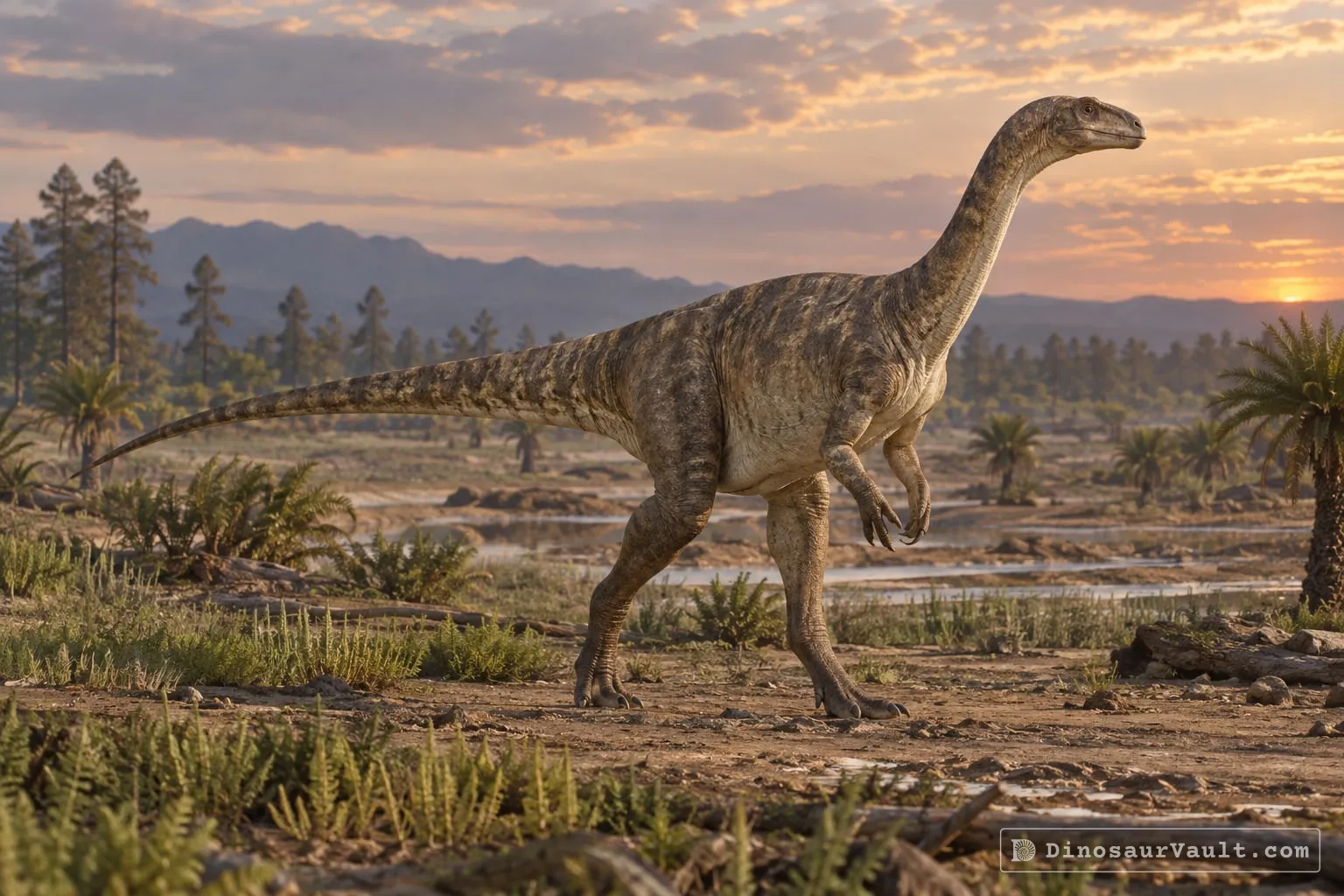
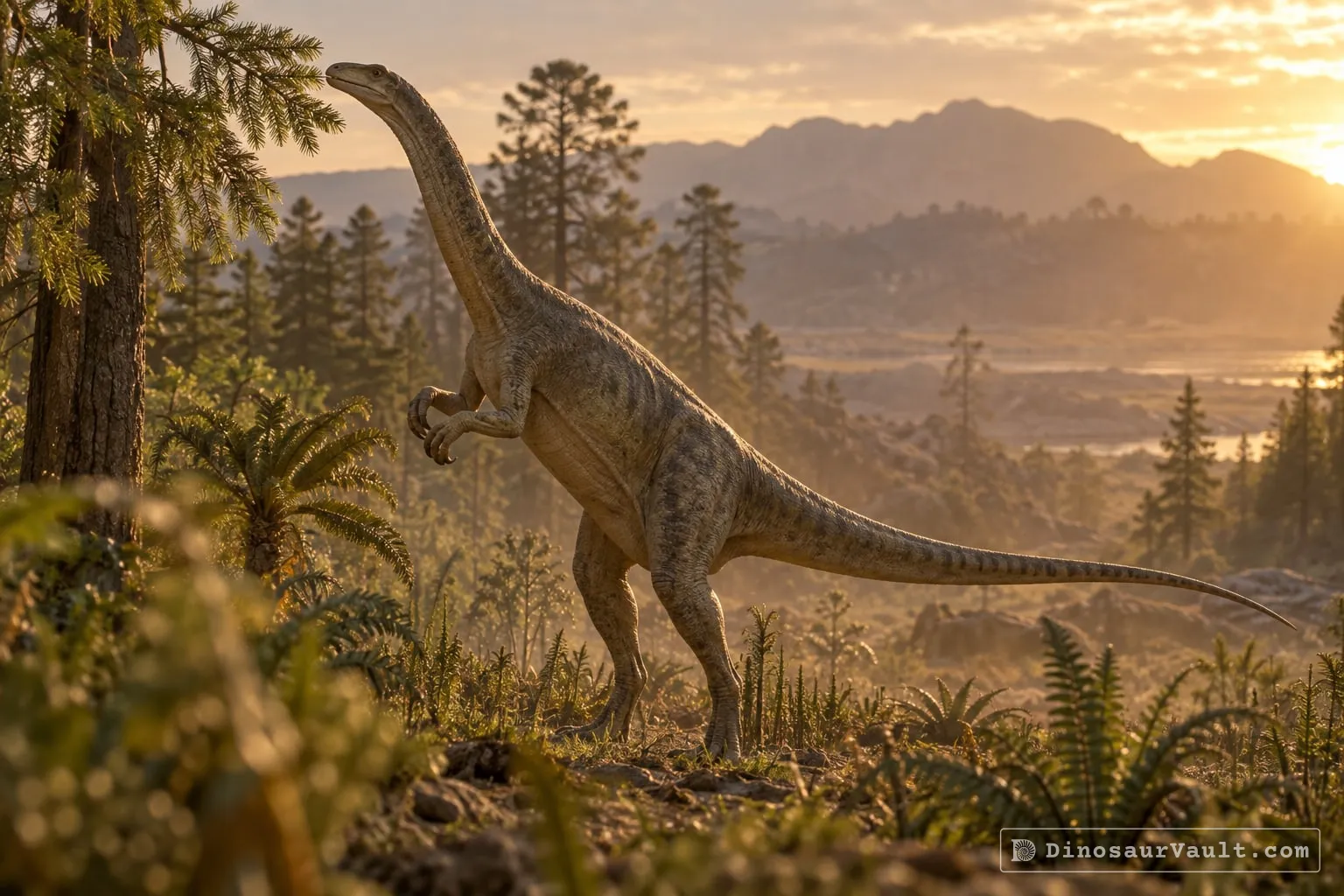
Lufengosaurus was a plant eater about 6 meters (20 feet) long, with a long neck, a small head and strong hands with big thumb claws. It could walk on its hind legs and probably reached up into trees for leaves.
It was a close relative of Massospondylus from southern Africa.
Its world
It lived in the Early Jurassic in what is now southwestern China. Its bones come from the Lufeng Formation, where it shared the land with the plant eater Yunnanosaurus and the crested hunter Sinosaurus.
How it was found
Young named Lufengosaurus in 1940. It was one of the first complete dinosaur skeletons found in China and is one of the best known, with 26 finds. One fossil even preserves traces of proteins in its ribs.
Field gallery
More views of Lufengosaurus
Scenes reconstructed from the available fossil evidence.
Lived alongside
Found in the same rock formations
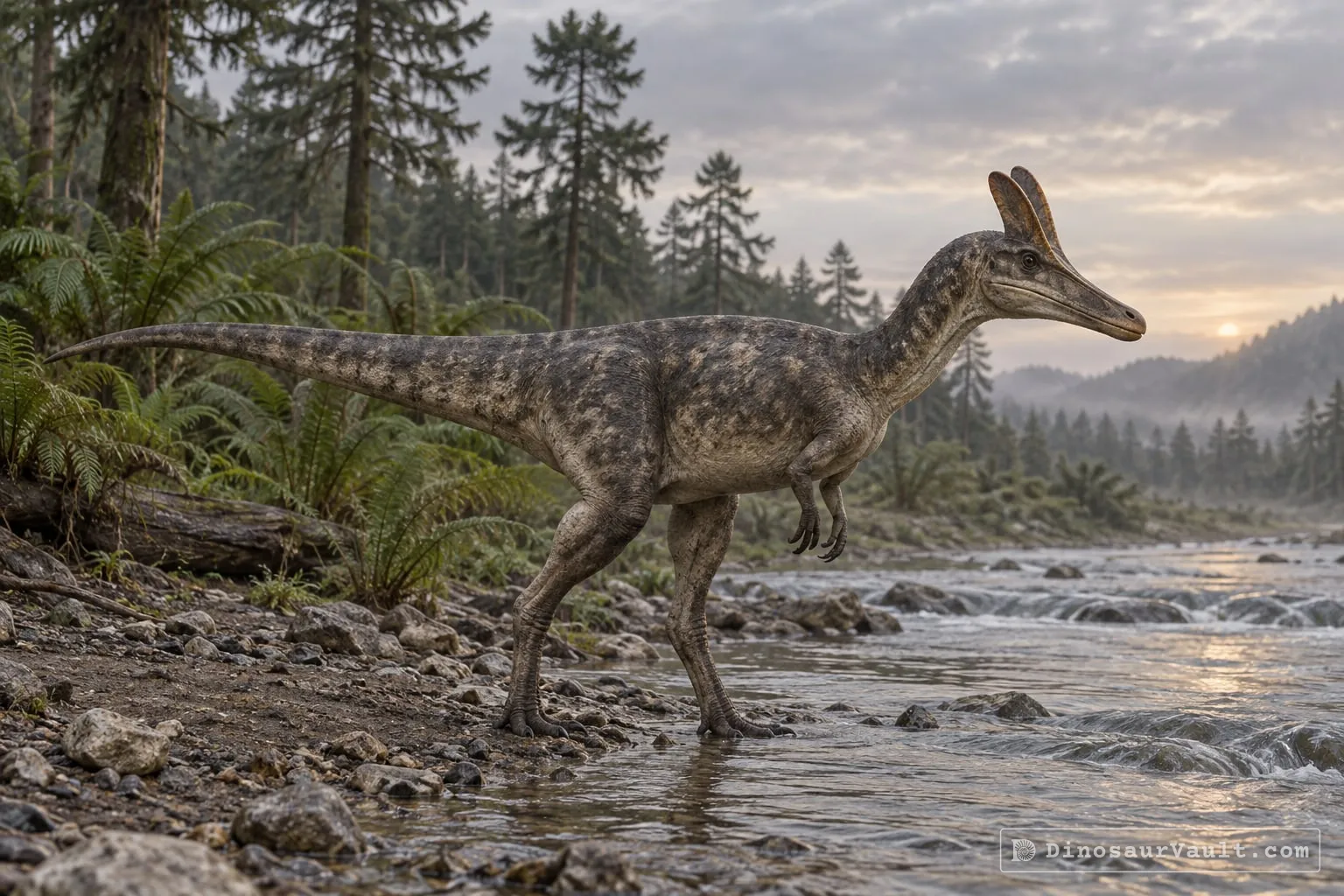
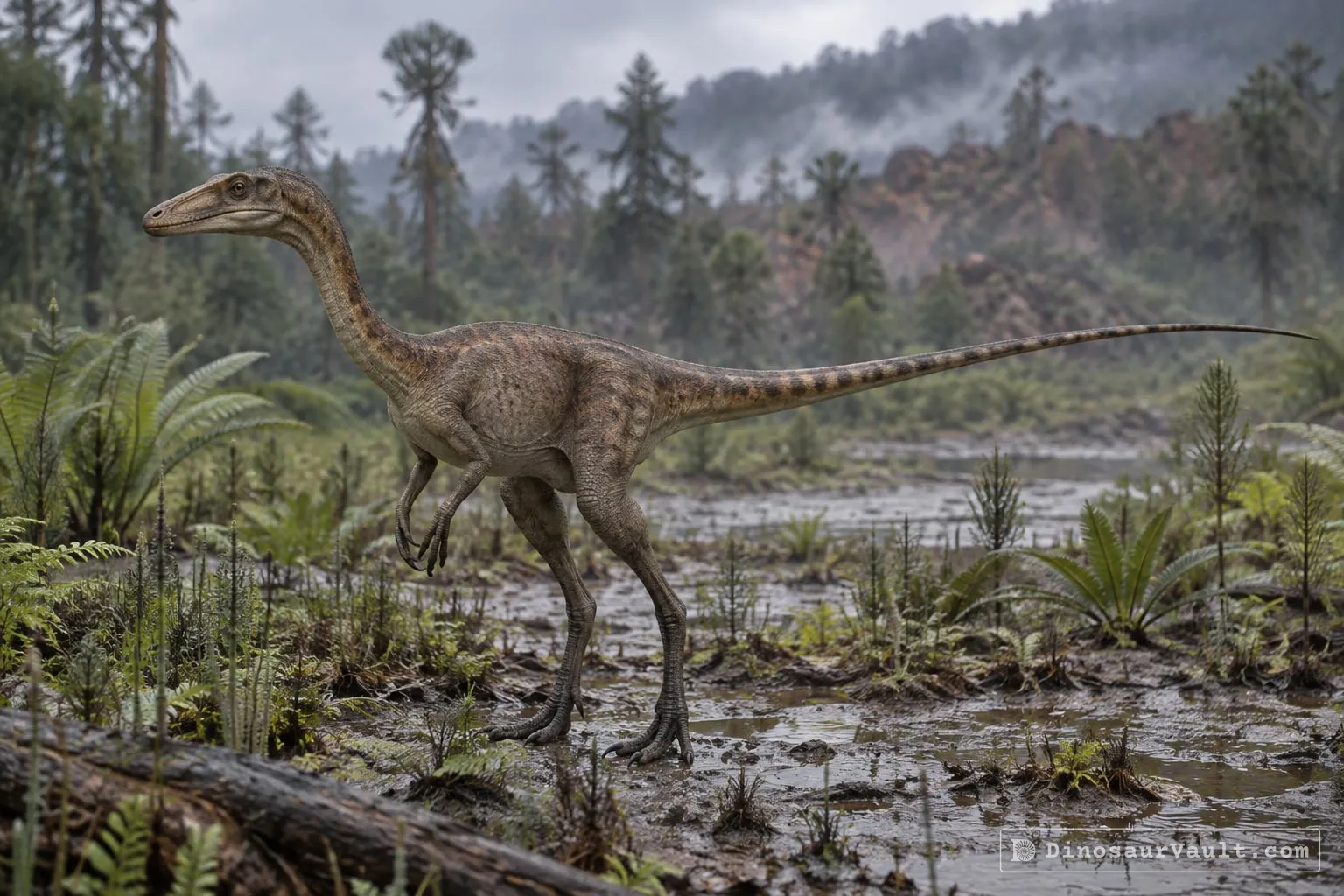
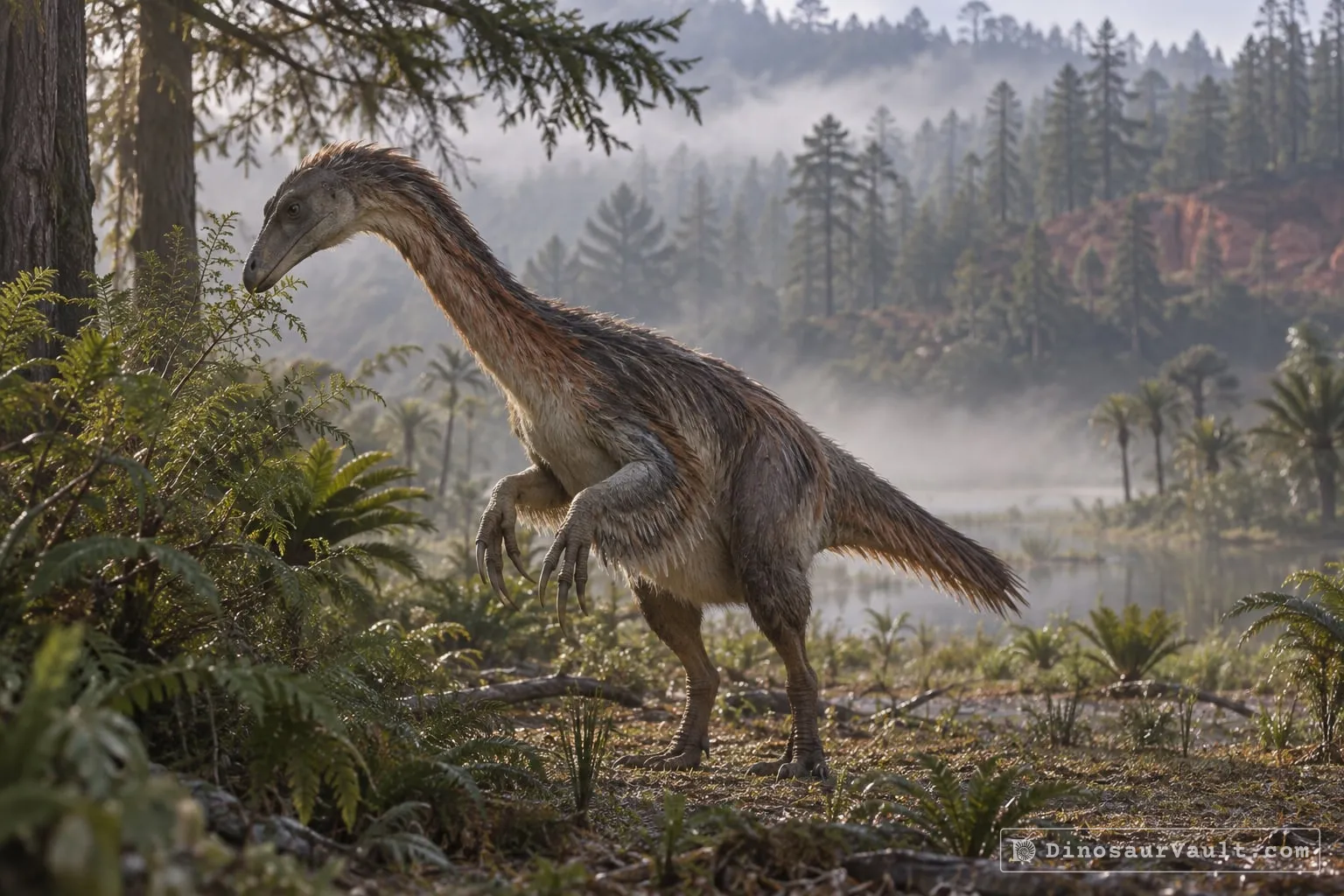


A rock formation can hold fossils laid down millions of years apart, so not every animal here met Lufengosaurus.
The evidence
The science behind Lufengosaurus
Which parts of the picture come from its own bones, and which come from its relatives.
From its own fossils
- Skeletons show a long neck, a small head and large thumb claws.
- A young skull and its neck bones show how the head changed as it grew.
- Chemical analysis of a rib found traces interpreted as preserved collagen, a protein found in living bone.
Borrowed from relatives
- Almost the whole skeleton is known from its own bones, so little of its bony outline needs to be borrowed from relatives.
Still unknown
- Its color and skin covering.
- Exactly which plants it ate.
- Whether adults cared for their young.
Discovery timeline
- 1940Named itYoung
- 2005SkullBarrett, Upchurch & Xiao-Lin
- 2010Growing upSEKIYA & DONG
- 2013Growing upReisz et al.
- 2017New findLee et al.
Key papers
The research behind what we know of Lufengosaurus
Named it
Named Lufengosaurus from fossils found in China.
Preliminary notes on the Lufeng vertebrate fossils. Bulletin of the Geological Society of China 20: 235-239
No link available
Skull
Redescribed the skull and used skull and tooth features to distinguish Lufengosaurus from Massospondylus and Yunnanosaurus.
Cranial osteology ofLufengosaurus hueneiYoung (Dinosauria: Prosauropoda) from the Lower Jurassic of Yunnan, People's Republic of China. Journal of Vertebrate Paleontology 25: 806-822
Read the paper : Cranial osteology ofLufengosaurus hueneiYoung (Dinosauria: Prosauropoda) from the Lower Jurassic of Yunnan, People's Republic of China (opens in a new tab)Growing up
Described a young skull and neck, identifying changes in the skull as Lufengosaurus grew.
A New Juvenile Specimen ofLufengosaurus HueneiYoung, 1941 (Dinosauria: Prosauropoda) from the Lower Jurassic Lower Lufeng Formation of Yunnan, Southwest China. Acta Geologica Sinica - English Edition 84: 11-21
Read the paper : A New Juvenile Specimen ofLufengosaurus HueneiYoung, 1941 (Dinosauria: Prosauropoda) from the Lower Jurassic Lower Lufeng Formation of Yunnan, Southwest China (opens in a new tab)Growing up
Embryonic bones probably belonging to Lufengosaurus show rapid growth and signs of muscle activity before hatching.
Embryology of Early Jurassic dinosaur from China with evidence of preserved organic remains. Nature 496: 210-214
Read the paper : Embryology of Early Jurassic dinosaur from China with evidence of preserved organic remains (opens in a new tab)New find
Reported chemical signals interpreted as preserved collagen inside the tiny channels of a Lufengosaurus rib.
Evidence of preserved collagen in an Early Jurassic sauropodomorph dinosaur revealed by synchrotron FTIR microspectroscopy. Nature Communications 8
Read the paper : Evidence of preserved collagen in an Early Jurassic sauropodomorph dinosaur revealed by synchrotron FTIR microspectroscopy (opens in a new tab)
Close relatives
Other members of Massospondylidae


Sources: Wikidata